

CASE DISCUSSION
Use of Oral Glycemic Drugs in CKD
 Presented India by Dr. Adarsh K. S.
Views
12,736
Credit Points
Learning Hours
CPD Points
CME Points
Courses Completed
Case Description
The use of oral glycemic drugs in patients with Chronic Kidney Disease (CKD) requires careful consideration due to altered drug metabolism and excretion associated with kidney dysfunction. Metformin, often the first-line treatment for type 2 diabetes, may be used with caution in mild to moderate...
Case Summary
- Chronic kidney disease (CKD) is defined by persistent kidney damage markers or an estimated glomerular filtration rate (eGFR) below 60 mL/min/1.73 m², persisting for at least three months. Diabetes is a leading cause of CKD, with 20-40% of diabetic patients developing CKD. Microvascular and macrovascular complications are often linked to diabetes, including diabetic nephropathy.
Speaker Profile
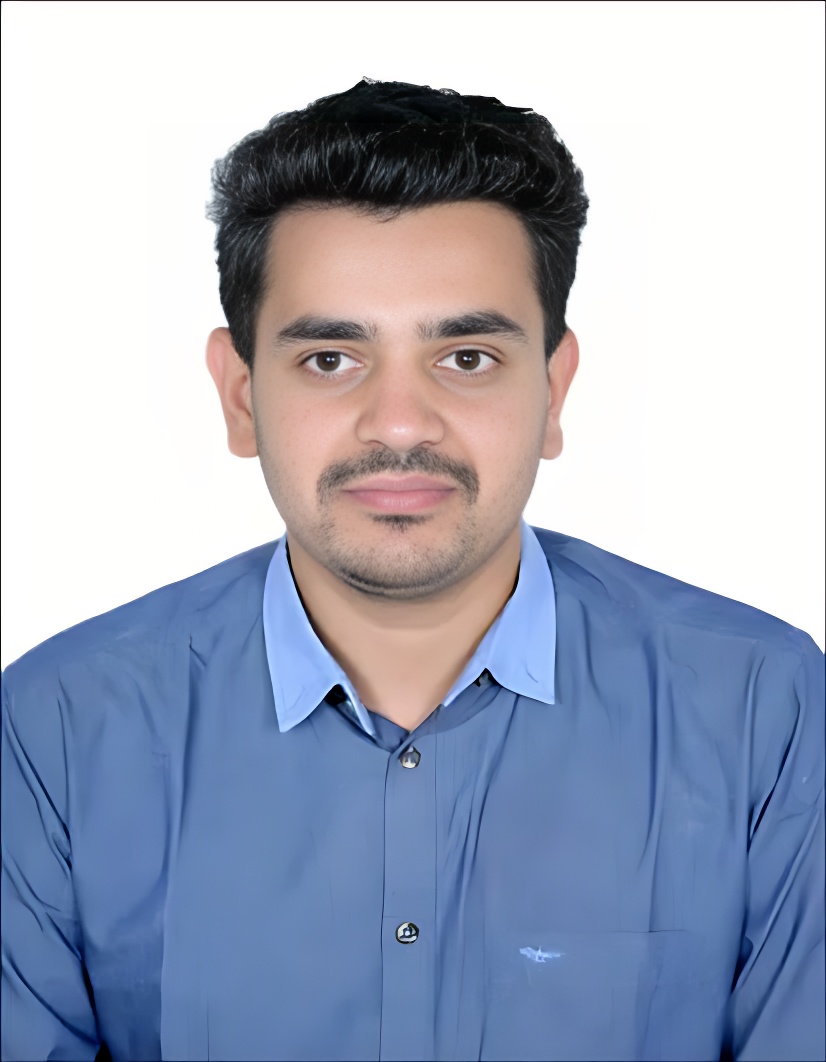
Dr. Adarsh K. S.
Consultant in Dept of Endocrinology, Manipal Hospitals, BangaloreDr. Adarsh K S is a distinguished Consultant in the Department of Endocrinology at Manipal Hospitals in Bangalore, with an extensive educational background comprising an MBBS, MD in Medicine, and a DM in Endocrinology from some of India's prestigious institutes. He brings a wealth of knowledge and experience to his role, particularly in the realm of endocrinological disorders. His academic journey has seen him contribute to notable projects and publications, including research on osteoporosis risk assessment tools and studies on caloric and macronutrient intake in women with polycystic ovarian syndrome. His work has been recognized in various professional forums, evidenced by his oral presentation at APICON 2014 and a poster presentation at ESICON 2018. Dr. Adarsh is committed to ongoing professional development, as shown by his participation in significant CMEs and workshops, including the Diabetes and Endocrinology Update and the Tumour Summit at SGPGIMS, Lucknow. Fluent in English, Hindi, and Kannada, he combines his clinical expertise with academic prowess to advance the field of endocrinology.
Disclosures
Assimilate by Medvarsity requires every individual in a position to control educational content to disclose all financial relationships with ineligible companies that have occurred within the past 24 months. Ineligible companies are organizations whose primary business is producing, marketing, selling, re-selling, or distributing healthcare products used by or on patients. All relevant financial relationships for anyone with the ability to control the content of this educational activity have been reviewed and mitigated. Others involved in the planning of this activity have no relevant financial relationships.