
Fellowship in Aesthetic Dermatology
Fellowship in Aesthetic Dermatology
Go Beyond Procedures. Build a More Thoughtful Approach to Aesthetic Care. Aesthetic dermatology is one of the fastest-growing fields in medicine. Patients increasingly seek solutions for...
Duration
12 Months
Credit Points
Learning Hours
CPD Points
CME Points
Courses Completed
Specialties
Overview
The Fellowship in Aesthetic Dermatology is your immediate fast-track to mastering high-demand aesthetic care. Step directly into an intensive learning path that bridges foundational skin biology with high-impact clinical strategies, equipping you to make confident, expert treatment choices immediately.
The program begins with the foundations of skin anatomy, physiology, and patient consultation. You will explore how to assess common aesthetic concerns and understand the factors that influence their presentation and treatment. This includes pigmentary disorders such as melasma and post-inflammatory hyperpigmentation, acne and scarring, and hair-related concerns such as androgenetic alopecia. Particular attention is given to aesthetic considerations in skin of color and treatment suitability across different skin types.
As you progress, the program introduces different approaches to aesthetic care, including skin resurfacing, minimally invasive procedures, injectable treatments, and regenerative therapies. You will explore the clinical principles behind botulinum toxin, dermal fillers, platelet-rich plasma, platelet-rich fibrin, polynucleotides, exosomes, and biostimulatory treatments. The learning also covers lasers and other energy-based technologies, helping you understand their applications and the considerations involved in their use.
An important part of aesthetic practice is knowing how to bring different treatment approaches together. The program explores personalized and combination treatment planning, encouraging you to consider individual patient needs, treatment suitability, and expected outcomes rather than viewing procedures in isolation.
Patient safety remains central throughout the learning journey. You will develop an understanding of potential complications, including vascular occlusion, and explore their prevention, recognition and management. The program also addresses post-procedure care, patient counseling, ethical responsibilities, and medicolegal considerations.
Clinical scenarios and module-wise assessments help connect theoretical concepts with clinical decision-making. These activities encourage you to consider patient presentations, evaluate treatment-related factors, and reflect on the reasoning involved in aesthetic care. A final assessment helps consolidate your understanding of the program.
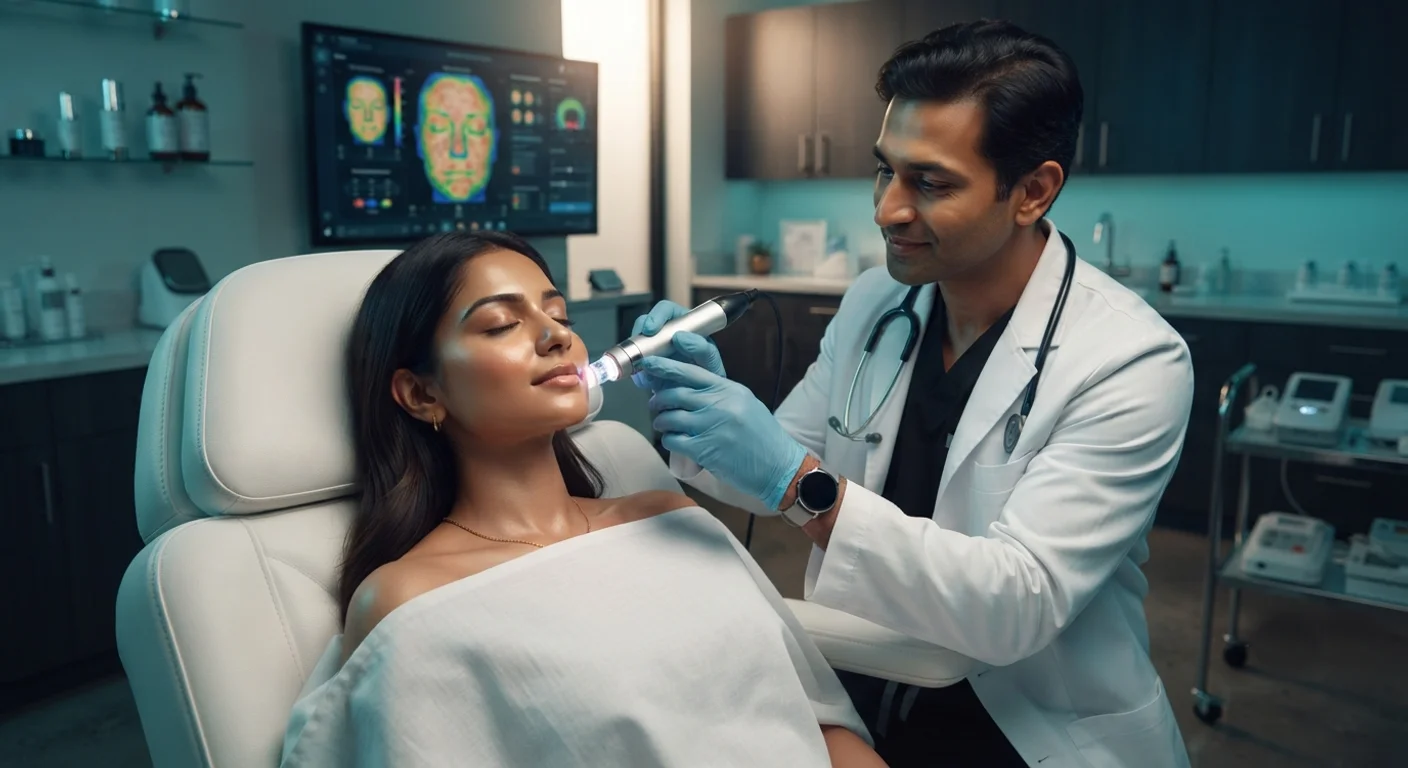
To complement the online learning, the program proposes a three-month clinical observership. This provides an opportunity to observe different aspects of aesthetic practice, including patient consultations, facial assessment, treatment planning, aesthetic procedures, and post-procedure care. It offers a broader perspective on how the concepts covered in the program relate to clinical practice.
Pedagogy
Clinical Application and Case-based Learning: Explore clinical scenarios that reflect situations encountered in aesthetic practice. Consider patient presentations, evaluate treatment suitability and understand the clinical reasoning behind different treatment decisions.
Clinical Application Pathways: Work through structured clinical decision pathways that guide you in evaluating patient presentations, considering suitable treatment options and identifying factors that influence the next step in care. These interactive activities help develop a logical approach to clinical decision-making.
Learning Across Contemporary Aesthetic Treatments: Explore established procedures and evolving approaches in aesthetic dermatology, including skin resurfacing, injectable treatments, energy-based procedures, and regenerative and biostimulatory therapies.
Focus on Skin of Color: Understand the clinical considerations involved in assessing and managing aesthetic concerns across different skin types and phototypes, with attention to treatment suitability and patient safety.
Patient Safety and Clinical Decision-Making: Develop an understanding of patient selection, treatment planning, potential complications and their management. The learning also addresses post-procedure care, patient counseling, ethical responsibilities, and medico-legal considerations.
Proposed Three-Month Clinical Observership: Complement your online learning through an opportunity to observe different aspects of aesthetic clinical practice, including patient consultations, facial assessment, treatment planning, procedures, and post-procedure care. This observational experience is intended to help you relate the concepts covered in the program to real-world clinical practice.
Resources
Recommended Courses
Curriculum
- •Course Overview-Podcast
- •Module Audio Preview
- •Introduction to Aesthetic Dermatology
- •Skin Anatomy and Physiology
- •CBCL: Facial Pigmentation in Skin of Color
- •Module Audio Preview
- •Chemical Peels
- •Microneedling and Superficial Resurfacing Procedures
- •Module Audio Preview
- •Overview of Injectable Aesthetic Treatments
- •Botulinum Toxin in Aesthetic Practice
- •CBCL: Androgenetic Alopecia and PRP
- •Module Audio Preview
- •Laser Physics and Laser–Tissue Interactions
- •Light-based Devices
- •Module Audio Preview
- •Aesthetic Procedures in Skin of Color
- •Combination and Personalized Treatment Planning
- •CBCL: Suspected Vascular Occlusion Following HA Filler
Frequently Asked Questions
What is the Fellowship in Aesthetic Dermatology about?
Who is eligible to enroll in this program?
How is the program delivered?
What is included in the clinical observership?
Does the observership include hands-on procedural training?
What will I gain from completing the fellowship?
Course Fee
$220,000