
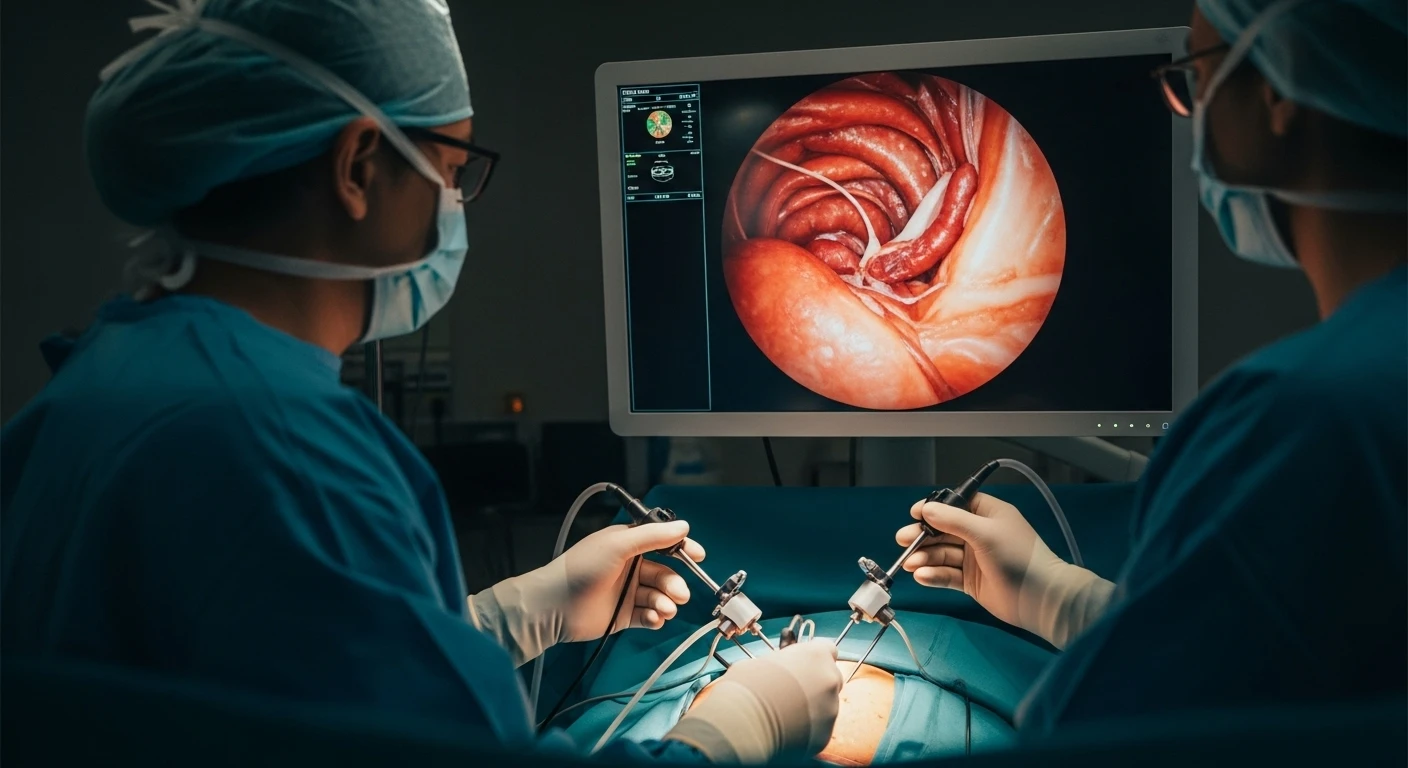
Fellowship in Diagnostic Laparoscopy - Hospital Based
Fellowship in Diagnostic Laparoscopy - Hospital Based
The Fellowship in Diagnostic Laparoscopy is an intensive 12-month program crafted for general surgeons eager to master advanced laparoscopic entry techniques, superior visualization, and thorough...
Duration
1 Year
Credit Points
Learning Hours
CPD Points
CME Points
Courses Completed
Specialties
Overview
The Fellowship in Diagnostic Laparoscopy is a structured 12-month program designed to cultivate surgeons proficient in advanced laparoscopic access and staging. Fellows gain extensive exposure across general surgery, gastrointestinal oncology, gynecology, hepatopancreatobiliary, and colorectal surgery. Training spans both elective and emergency settings, equipping fellows with comprehensive competence in evaluating and managing intra-abdominal diseases.
A core element of the program is the graded supervision model, guiding fellows through progressive stages of autonomy:
Level 1 (Direct Supervision): early orientation and development of laparoscopic access techniques
Level 2 (Indirect Supervision): semi-independent practice under faculty oversight
Level 3 (Independent): autonomous performance of diagnostic scopes with full outcome accountability
Aligned with ACCME-accredited CME/CPD standards, this fellowship promotes educational independence, measurable outcomes, and competency-based progression throughout training. Continuous evaluation mechanisms include digital logbook reviews with faculty sign-off, along with weekly operative presentations and video audits to enhance procedural judgment. Biannual milestone assessments monitor growth in surgical techniques, professionalism, and interdisciplinary collaboration. Scholarly development is supported through case reporting, quality improvement projects, and comprehensive 360° feedback from operating room teams.
Upon successful completion, graduates are fully prepared to independently perform diagnostic and staging laparoscopies, make critical emergency laparoscopic decisions, and seamlessly integrate findings into multidisciplinary surgical planning. Certification is awarded upon meeting procedural, academic, and competency benchmarks.


Eligibility
- MS/MCH
Resources
Recommended Courses
Curriculum
- •Safe entry, insufflation, camera skills, dissection zones
- •Appendectomy, perforation workup, trauma staging, bowel viability
- •Liver metastases, peritoneal washings, biopsy protocols
- •Pelvic exploration, ectopic assessment, gynecologic oncology staging
- •Cholecystitis, CBD exploration, unresectable pancreatic disease
- •Diagnostic laparoscopy in IBD, malignancy, complex pelvis
- •Integration of CT/MRI with intraoperative findings
- •High-autonomy cases, complication handling, and logbook audits
Frequently Asked Questions
What is the Fellowship in Diagnostic Laparoscopy - Hospital Based designed to teach?
What laparoscopic entry and access techniques are taught?
What diagnostic and staging procedures are included?
What is the graded supervision model?
What continuous assessment and feedback mechanisms exist?
What scholarly and quality improvement opportunities exist?
How long is the Fellowship in Diagnostic Laparoscopy - Hospital Based?
What eligibility requirements exist for this fellowship?
What career outcomes does this fellowship enable?
Course Fee
$15,000